Most people don’t think about brakes until something feels wrong. A strange sound, a soft brake pedal, or the car taking longer to stop. But by the time these signs appear, damage has usually already started.
Your car’s braking system is one of the most important safety parts. If it is not maintained properly, even a small issue can become dangerous. The good thing is, brake problems usually give warning signs if you know what to look for.
This guide will help you understand basic car brake maintenance, common brake pad wear signs, when to change brake fluid, and how to deal with car braking issues.
Why car brake maintenance matters
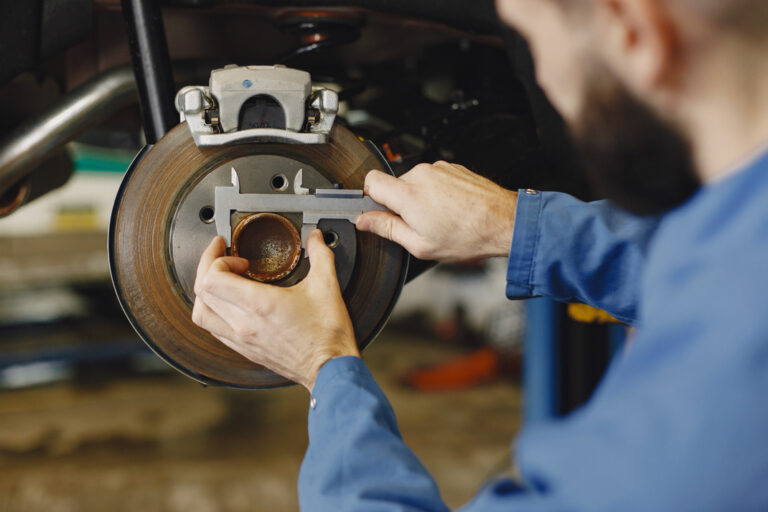
Brakes are not just one part. They work as a system. Brake pads, discs, fluid, and pedal pressure all work together to stop your car safely.
If one part is ignored, the whole system suffers.
Regular car brake maintenance helps you:
stop the car safely and smoothly
avoid sudden brake failure
reduce repair costs
increase the life of brake parts
Good brakes don’t just protect your car. They protect you and others on the road.
Common brake pad wear signs you should never ignore
Brake pads wear out slowly, so many drivers don’t notice the problem early.
Here are some clear brake pad wear signs:
squealing or screeching noise while braking
grinding sound (this means pads are already too thin)
car pulling to one side when braking
brake pedal feeling harder or weaker than usual
If you notice any of these signs, get the brakes checked immediately. Delaying can damage the brake discs, which costs much more to repair.
How often should brake pads be checked?
There is no fixed number for everyone.
In general:
city driving wears brake pads faster
heavy traffic and sudden braking reduce pad life
highway driving usually increases pad life
It’s a good habit to get your brakes inspected every time your car goes for regular service, even if you don’t feel any problem.
Brake fluid change guide – explained simply
Brake fluid is often ignored because it doesn’t wear out like brake pads. But old brake fluid can reduce braking performance.
Brake fluid:
transfers pressure from pedal to brakes
absorbs moisture over time
becomes less effective if not changed
Most manufacturers recommend changing brake fluid every 2 years, even if the car is not driven much.
Signs you may need a brake fluid change:
soft or spongy brake pedal
brakes not responding instantly
warning light on dashboard
Following a proper brake fluid change guide keeps braking sharp and reliable.
Car braking issues people commonly face
Many braking problems start small and slowly grow worse.
Some common car braking issues include:
brake pedal going too deep
vibration while braking
burning smell after driving
delayed braking response
These issues should never be ignored. Brakes don’t usually fail suddenly — they warn you first.
Simple habits that help maintain your brakes
You don’t need special tools to protect your braking system. Small driving habits make a big difference.
Try to:
avoid sudden braking whenever possible
don’t overload your car
keep safe distance from other vehicles
drive smoothly in traffic
These habits reduce brake wear and improve overall safety.
What if your brakes fail or feel unsafe while driving?
Sometimes brake issues show up suddenly — especially during long drives or in traffic. In such situations, driving further is risky.
This is where roadside assistance becomes important.
CCA does not repair brakes or provide insurance. CCA helps you safely move your car when continuing to drive is not safe.
Final thoughts
Maintaining your car’s braking system is not complicated, but it does require attention. Listen to your car, notice changes in braking feel or sound, and never delay inspections.
Good brakes mean:
better control
safer driving
fewer breakdowns
And if you ever face brake-related trouble on the road, having CCA 24×7 roadside assistance ensures you’re not stuck or forced to take risks.