Emergency Car Services in Urban Traffic: What to Expect
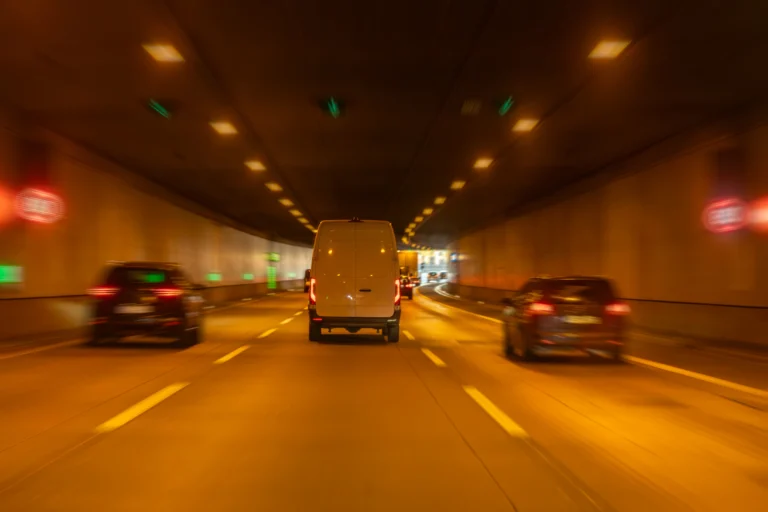
Getting stuck in traffic is already frustrating. Now imagine your car suddenly starts making a weird sound… and then it stops. Right in the middle of a busy road.
In that moment, your mind races “What do I do now?”
And honestly, city breakdowns feel scary because everything happens fast around you.
The good thing is: if you know what to expect and what steps to take, you can handle this situation without panic.
This blog explains how emergency roadside help works in city traffic, what you should do first, and how towing usually works in urban areas.
Why City Breakdowns Feel More Stressful
A breakdown anywhere is stressful but in city traffic, it feels worse because:
- Cars are moving very close to you
- There’s usually no safe space to stop
- People start honking immediately
- You may feel stuck and helpless
- Even the help team may take time due to traffic
That’s why it’s important to know the correct steps before the situation happens.
What to Do First When Your Car Stops in Traffic
1) Turn on Hazard Lights Immediately
This is the first thing you should do.
Hazard lights tell other drivers “something is wrong, stay alert”.
Even if your car is still moving slowly, switch them on right away.
2) Try to Move the Car to the Side (If Possible)
If your car is still running even a little try to slowly move it to:
- the left side of the road
- a service lane
- near a divider opening
- any spot where traffic isn’t directly behind you
Even moving a few feet makes it safer for you and easier for help to reach you.
If the car won’t move at all, don’t force it. Keep hazards on and call for support.
3) Stay Inside the Car (Most of the Time)
Many people think they should immediately get out. But in traffic, standing outside is more dangerous.
Staying inside is safer because your car protects you from moving vehicles.
Only step out if:
- your car is smoking
- you smell petrol strongly
- you feel there’s a fire risk
If you do step out, exit from the passenger side and move away from traffic.
Calling for Help: What to Say for Faster Assistance
Once you’re safe, call roadside help. To save time, keep these details ready:
- Your exact location (best: share live location on Google Maps)
- Nearby landmark (metro station, flyover name, signal, etc.)
- Car brand + color
- What’s wrong (not starting / overheating / tyre burst / etc.)
- Are you blocking traffic or parked safely?
If you’re using a service like CCA roadside assistance, these details help them reach you faster without confusion.
How Long Does Emergency Roadside Help Take in the City?
In cities, response time depends on traffic and location. In general:
- City areas: 30–60 minutes
- Rush hours: 45–90 minutes (sometimes longer)
- Highways inside city: 30–60 minutes
Roadside teams also get stuck in traffic, so delays are normal during peak hours.
What Services You Can Expect During a City Breakdown
Roadside help usually covers common problems like:
✅ Quick Fix Help
This includes:
- Battery jump-start
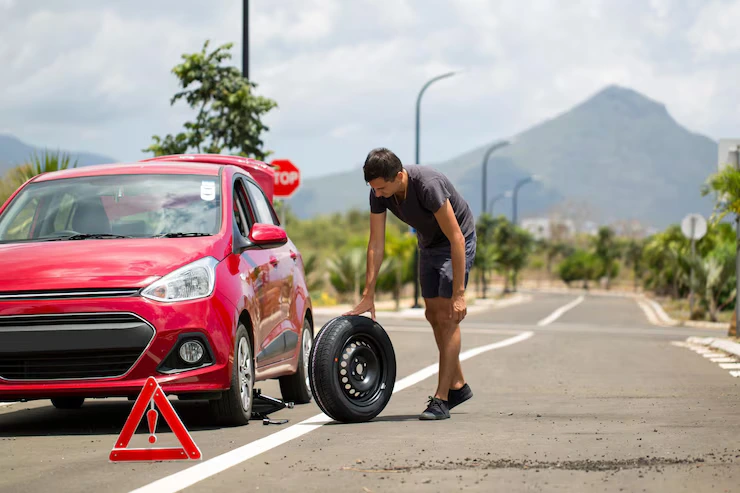
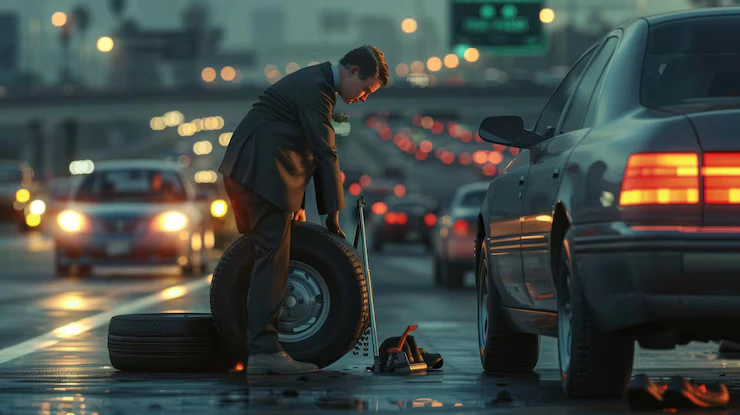
- Flat tyre change (if spare tyre is available)
- Fuel delivery
- Lockout help (keys stuck inside)
- Basic checks and minor repairs
Sometimes your car can start again in a few minutes if the issue is small.
When Towing is Needed in City Roads
Not every problem can be fixed on the spot.
You may need towing if:
- your car won’t start at all
- engine overheats again and again
- there is a major mechanical issue
- the vehicle is not safe to drive
- you were in a minor accident and the car can’t move
City towing usually takes your car to:
- a nearby repair shop
- your preferred garage
- your home (if close)
- the dealership
Most city towing distances are short (around 5–15 km).
Why Roadside Help Can Feel Slow in the City
Sometimes people feel roadside help is taking too long, but the reasons are real:
1) Traffic Delays Everyone
Even the support vehicle can get stuck in the same jam.
2) Narrow Streets and One-Way Roads
In many city areas, reaching the exact spot becomes difficult.
3) Flyovers and High-Speed Lanes
Vehicles stuck on flyovers or highways are harder to access safely.
Things That Actually Help During a Breakdown
1) Keep a Small Emergency Kit in Your Car
Always keep:
- warning triangle
- torchlight
- phone charger + power bank
- jumper cables
- water bottle
- basic tools
- emergency numbers on paper
It sounds simple, but it helps a lot when you’re stuck.
2) Share Your Location With Family
If you’re alone or stuck for long, share your live location with someone you trust.
3) Save Your Phone Battery
Switch on battery saver mode. Don’t waste battery on random scrolling—your phone is your lifeline in emergencies.
4) Don’t Take Help From Random Strangers
Some people might offer help. If you don’t feel confident, it’s better to wait for verified roadside support.
Special Situations to Take Seriously
If Your Car is Blocking the Road Completely
If your car is fully blocking traffic, call for help immediately and explain the urgency.
If It’s an Accident
If there’s an accident or injury, contact emergency support first.
If Weather is Extreme
Breakdowns in extreme heat, rain, or fog can become riskier. Always mention the weather during the call.
How to Avoid City Breakdowns in the First Place
Many breakdowns happen because small issues are ignored. Basic maintenance reduces risk:
- check tyre pressure monthly
- replace battery every 3–5 years
- keep engine oil and coolant levels correct
- don’t ignore warning lights
- service the car on time
- take strange sounds seriously
Final Thoughts
Breaking down in urban traffic is stressful no doubt. But the situation becomes much easier when you know what to do.
Just remember these key points:
- Hazard lights ON immediately
- Move to the side if possible
- Stay inside unless unsafe
- Share accurate location details
- Wait for professional help calmly
With the right actions, you stay safe and the problem gets solved faster.
If you ever face a breakdown in city traffic and need reliable support, CCA24x7 is available to assist with emergency roadside help and towing.
FAQ's
Turn on hazard lights immediately and try to move to the side. If it won’t move, stay calm and call roadside support.
Stay inside most of the time. Step out only if there’s smoke, fuel smell, or danger.
Usually 30–60 minutes, but during rush hour it can take longer.
Your live location, landmark, car color/model, and the problem you’re facing.
When the car can’t be fixed on the spot or isn’t safe to drive.