Why Car Batteries Fail More Often in Extreme Weather

I’ve seen it happen so many times especially during peak winters and peak summers.

Your car feels completely fine the night before. No warning lights. No drama.
Next morning? Click… click… nothing.

And suddenly you’re stuck thinking, “Why is my battery dead now of all days?”

The truth is: car batteries fail more often in extreme weather because temperature directly affects how a battery produces and delivers power. Winter makes batteries weaker, and summer silently damages them over time.

Let’s break it down in a simple, real-life way.

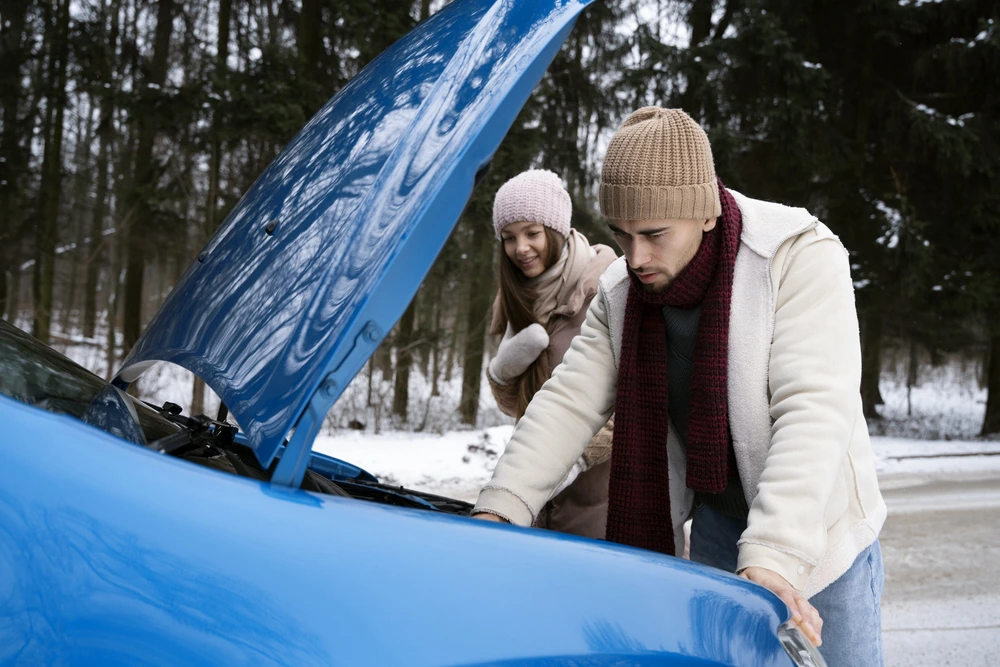
Cold weather car battery failure

Why Car Batteries Fail More in Winter

1) Cold weather slows down battery power

A car battery works through a chemical reaction. When temperatures drop, this reaction slows down meaning the battery produces less power than usual.

So even if your battery was “okay” in normal weather, winter can suddenly make it feel weak.

Result: Your car struggles to start.

2) Your engine needs MORE power in cold weather

Here’s the bigger problem:
In winter, the battery gives less power, but your car needs more power to crank and start the engine because engine oil becomes thicker and everything moves slower.

It’s like asking someone to run with half their energy in slow-motion.

Result: A weak battery gives up completely.

3) Short drives kill batteries faster in winter

Many people do short drives in winter like office, market, pickup-drop.

But your battery needs time to recharge properly. If you drive only for 10–15 minutes, it might not recharge fully.

Result: Battery slowly drains daily, and then one day it just dies.

Extreme Weather Impact on Car Batteries (Summer Is Worse Than You Think)

Most people blame winter, but summer actually damages batteries more.

1) Heat causes battery fluid to evaporate

High temperatures can reduce battery life by drying up internal fluids faster. This creates internal damage and reduces battery efficiency.

Even if your car starts fine in summer, the battery may be getting weaker inside.

Result: Battery life becomes shorter, and it fails suddenly later.

2) Heat increases corrosion

Extreme heat speeds up corrosion around battery terminals. That white/green buildup on the terminal? That’s corrosion.

And corrosion blocks power flow.

Result: The battery has charge, but the car still doesn’t start properly.

3) AC + accessories put extra load on battery

In peak summers, we use more power:

  • AC on full
  • mobile charging
  • music system
  • headlights in rain/fog

Your alternator handles most of it when driving, but if your battery is already weak, it struggles.

Result: Battery gets stressed and fails earlier.

Cold Weather Car Starting Problems: What You’ll Notice First

When your battery is weak, your car usually gives warnings. Most people just ignore them.

Here are the most common cold-weather starting issues:

  • Car takes longer than usual to start
  • Engine cranks slowly (like it’s struggling)
  • Headlights look dim when you start the car
  • You hear repeated clicking sounds
  • Car starts sometimes, then fails again later
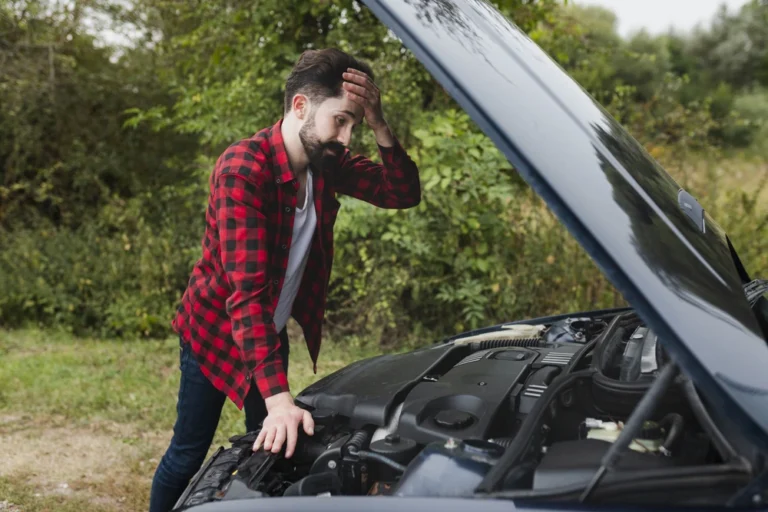
Heat-damaged car battery

Signs of a Weak Car Battery (Don’t Ignore These)

If you notice even 2–3 of these signs, your battery is probably nearing the end:

✅ Slow engine crank
✅ Dim lights or flickering dashboard
✅ Battery warning light on dashboard
✅ Car needs jump start more than once
✅ Electrical issues (power windows slow, horn weak, etc.)
✅ Bad smell near battery (sulphur/rotten egg smell)
✅ Corrosion on terminals

One important point:
Even if your car starts today, a weak battery can fail any day—especially in winter mornings.

Why Batteries Die Suddenly Without Warning

This is something I’ve personally noticed a lot.

A battery can seem “fine” until it’s not, because:

  • it loses capacity slowly over time
  • extreme weather pushes it over the edge
  • one cold morning becomes the final strike

And if your battery is 2.5–4 years old, chances are it’s already in the danger zone (depending on usage and conditions).

What To Do If Your Car Battery Dies (Quick Checklist)

If your battery dies in winter or extreme heat, here’s what you can do immediately:

Step 1: Stay calm and switch off everything

Turn off AC, headlights, music system, charging cables.

Step 2: Try one clean start attempt

Don’t keep cranking again and again. It drains battery further.

Step 3: Check terminals quickly

If there’s heavy corrosion or a loose connection, that might be the issue.

Step 4: Get a jump start safely

A jump start is the quickest fix when your battery has no power.

If you’re stuck on the road and need immediate help, CCA (Car Care Assistance) can help with battery jump start service for cars so you don’t have to chase local mechanics or wait for random help.
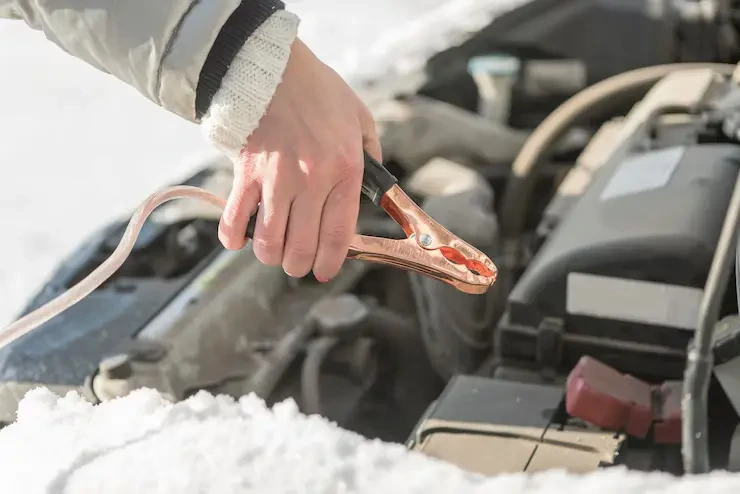
Emergency battery jump start

Battery Jump Start Service for Cars: When It’s Needed

You should call for a jump start if:

  • car is not starting at all
  • you hear clicking sounds
  • headlights are dim or dead
  • battery is drained due to parking for many days
  • you tried starting multiple times and it’s not working

A jump start gets you moving, but remember:
If the battery is weak internally, it may fail again soon.

Tips to Prevent Battery Failure in Extreme Weather

These small habits can save you a lot of trouble:

✅ Start your car once daily if it’s parked for long
✅ Avoid leaving headlights on while parked
✅ Keep battery terminals clean
✅ Don’t do only short drives every day—take a longer drive once in a while
✅ If battery is older than 3 years, get it checked before peak winter/summer
✅ Park in shade during summers if possible
✅ In winter, wait a few seconds after ignition before cranking (helps sometimes)

Final Thoughts

Extreme weather doesn’t just “affect” a car battery—it tests it.

Winter reduces its power, summer damages it slowly, and both conditions make failure more common than people expect.

If your car is showing signs like slow cranking, dim lights, or needing multiple attempts to start, don’t wait for it to die in the worst situation.

And if you ever get stuck in the middle of the road with a dead battery, CCA (Car Care Assistance) is there when you need a quick and safe jump start to get your car running again.

FAQ's

Cold weather slows chemical reactions inside the battery, reducing power while the engine needs more energy to start.


Yes. Extreme heat damages battery fluid and causes internal corrosion, shortening battery life silently.

Most car batteries last 2.5 to 4 years, depending on usage, climate, and maintenance.

Slow engine cranking, dim headlights, repeated clicking sounds, and electrical issues are early warnings.

Call for a jump start if your car won’t start, clicks repeatedly, has dim lights, or the battery is fully drained.